There is a specific kind of silence that settles over you when you stand beneath the canopy of an ancient forest, waiting to speak your vows. It isn't just the absence of noise. It's the presence of something vast and enduring, something that makes the rest of the world fall away. Choosing to elope in the Smoky Mountains is often less about escaping tradition and more about returning to what actually matters, a space where the only audience is the landscape itself and the person standing beside you. You don't need permission to want a day that feels sacred rather than scheduled, but if you did, this is it.
As an ordained minister and elopement photographer who has guided dozens of couples through Smoky Mountain ceremonies, I've seen how proper permitting and timing turn stressful logistics into something seamless and sacred. My job isn't just to document the moment. It's to help you inhabit it fully, so the practical side of marrying in a national park never overshadows the intimacy of the exchange. When you understand how to elope in the Smoky Mountains with intention, the mountains stop being a backdrop and start being part of your story.
Why the Smokies Call to Adventurous Couples
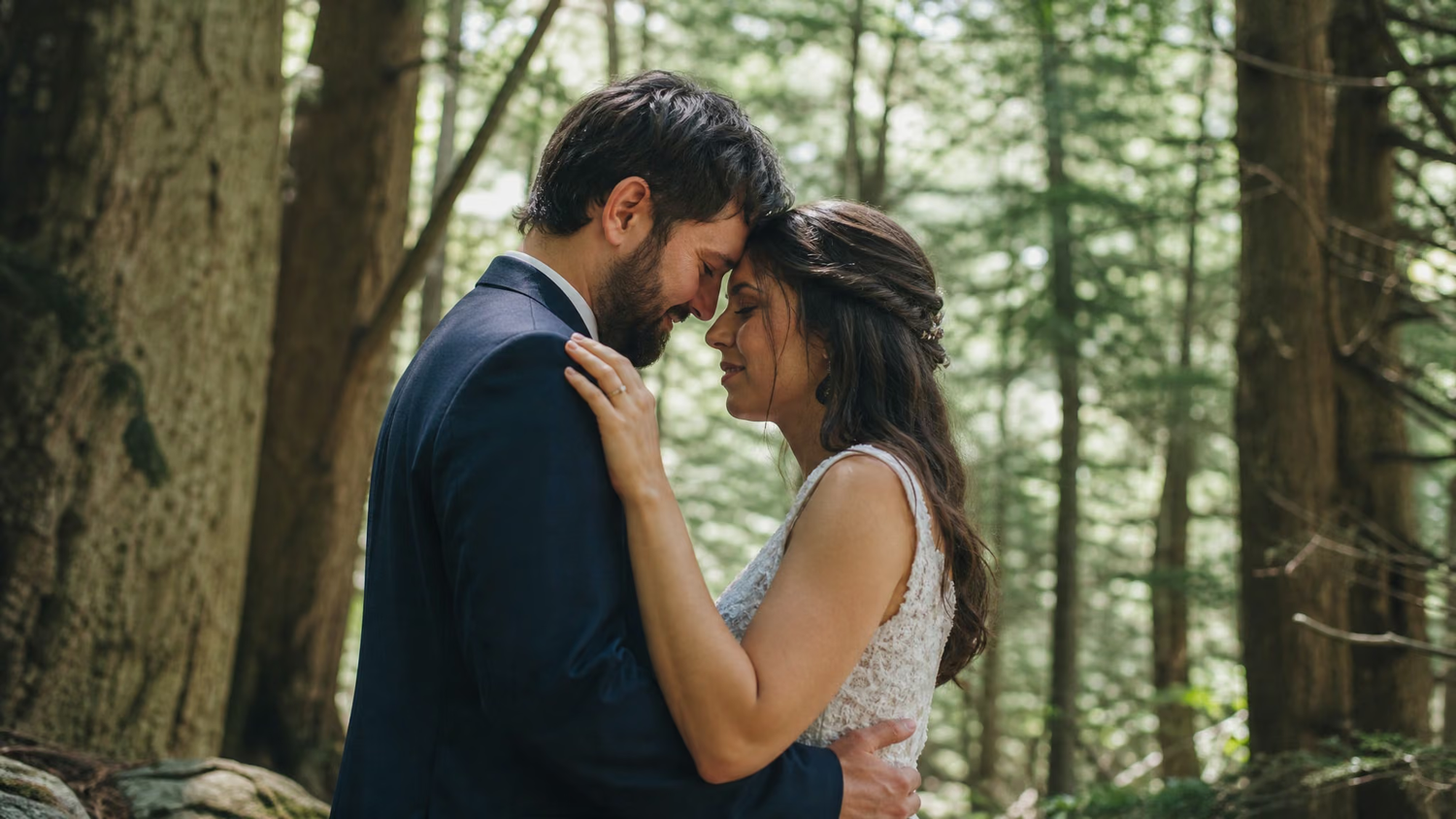
The Great Smoky Mountains pull at people who find their deepest connections outdoors, offering a kind of sensory richness no banquet hall can touch. Maybe you're drawn here because dappled light through hemlock trees feels more honest than studio lighting. Maybe it's the wind moving through high-elevation spruce-fir forest, sounding like the start of something sacred. Either way, this place asks something different of you: trade the predictable comfort of indoor venues for the raw, unscripted beauty of a living ecosystem.
Eloping here is an act of trust in the unpredictable. The mist that gives these mountains their name can roll in without warning, wrapping your ceremony in a private cloud that hides everything but the two of you. That uncertainty isn't a flaw to manage, it's a feature to embrace, a small preview of how your marriage will also weather shifts in visibility and atmosphere. Let go of the need for perfect conditions, and you open yourself to moments that are perfectly real instead.
Navigating Smoky Mountain Elopement Permits and Rules
Great Smoky Mountains National Park typically issues a limited number of Special Use Permits each year for weddings and elopements, so applying early matters if you want your preferred date and location. That cap isn't about exclusivity. It's about preserving the wildness that drew you here, so the park stays a sanctuary and not just a venue. Understanding how to elope in the Smoky Mountains means accepting that a little bureaucracy is part of the stewardship required to keep this place whole for the couples who come after you.
Understanding the Special Use Permit Process
Securing your permit means applying well in advance, since popular dates and specific ceremony sites fill up quickly once the booking window opens. The National Park Service reviews each request against resource protection and visitor experience standards, so your chosen spot has to line up with current conservation priorities. You can't just show up and marry wherever inspiration strikes. Respecting the process is, in a way, the first vow you make to the land itself.
Guest Limits and Leave No Trace Ethics
Permit stipulations set hard limits on how many people can attend your ceremony. Those caps protect fragile alpine vegetation and prevent soil erosion at sensitive overlooks. They also force a kind of editing on your guest list, narrowing it down to the people whose presence actually matters to you. Leave No Trace goes beyond packing out trash, it means staying on designated trails, not trampling wildflowers, and leaving natural objects undisturbed so the landscape looks the same after your celebration as it did before.
This restriction isn't a penalty. It's a boundary that protects the solitude you came here for.
Choosing Your Perfect Smoky Mountain Elopement Location
Your choice of location shapes the texture of your entire day, from the hike-in distance to the quality of afternoon light. Iconic spots like Clingmans Dome or Cades Cove offer recognizable views, but they also draw heavy foot traffic that can crack the intimacy of a private ceremony. Finding the right balance between accessibility and seclusion means looking past the postcard image and asking how a place actually feels when you're standing in it with your partner.
High-Elevation Vistas for Epic Backdrops
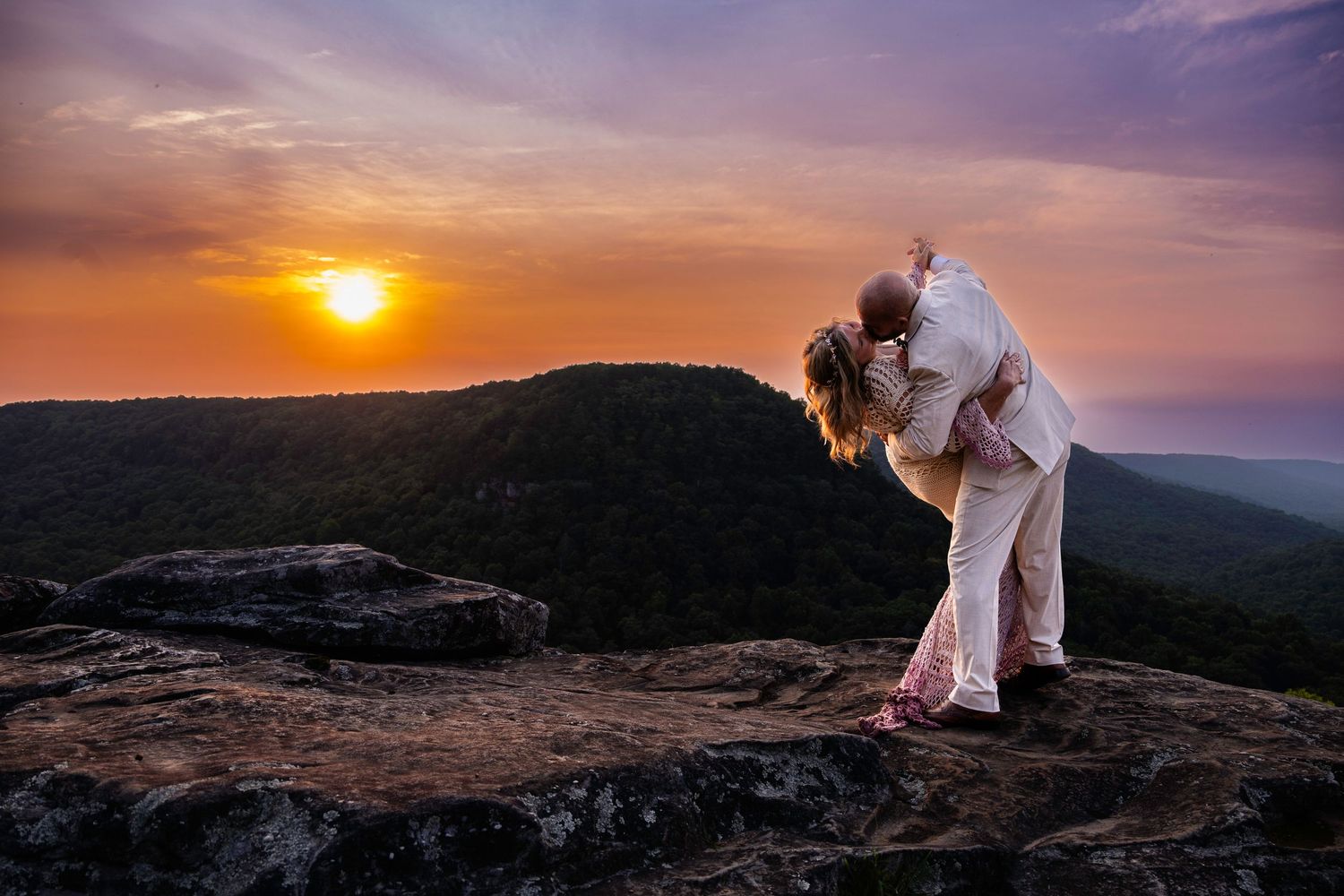
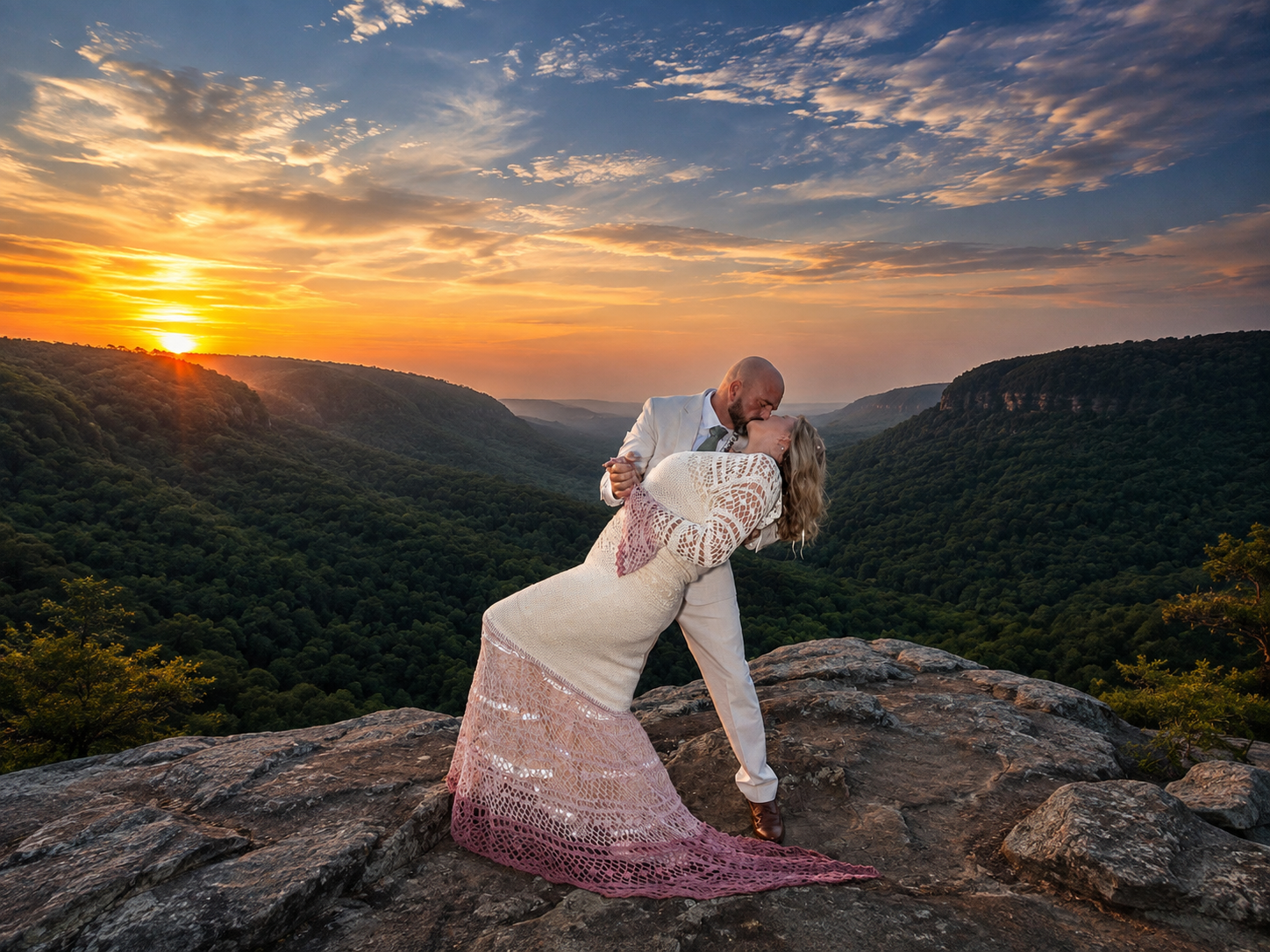
Summit ceremonies give you sweeping panoramas that put your union on a geological timescale, but they ask for physical readiness and a tolerance for exposed weather. Locations above 5,000 feet offer dramatic skies and open horizons, though the wind up there can be fierce enough to drown out spoken vows without some strategic positioning. Couples who choose weekday ceremonies in late October often find themselves alone at high-elevation overlooks, golden light filtering through fall foliage, no tourist traffic to compete with.
Quiet Forest Clearings and Waterfall Ceremonies
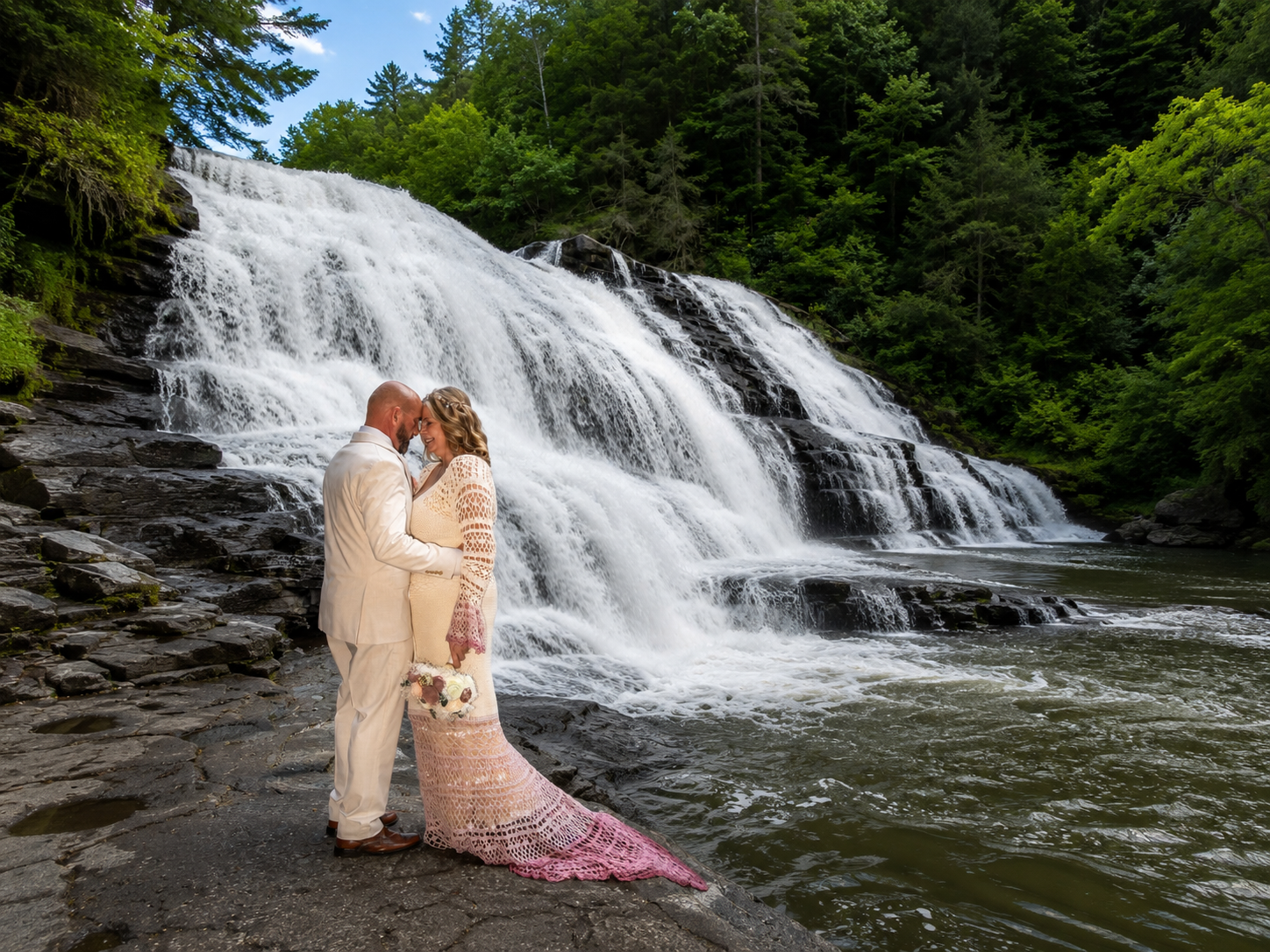
Lower-elevation sites tucked among old-growth hardwoods offer acoustic shelter and steady shade, a cathedral-like feel no matter what the clouds are doing. Waterfall locations give you a natural soundtrack that fills silences beautifully, though the rush of water means you'll need to speak up or position yourselves carefully to be heard.
Private Venues Just Outside the Park Boundary
Land just beyond the park border gives you mountain atmosphere without permit restrictions, and more flexibility on timing, guest count, and ceremonial elements. Private properties near Gatlinburg or Townsend have the same rhododendron-draped ridgelines and creek-side settings as the national park, plus amenities like covered shelters and easy parking. This route suits couples who want the Smoky Mountain look but would rather have certainty than roll the dice with public land management.
You deserve a setting that supports your vision instead of testing your endurance.
Timing Your Elopement for Light, Weather, and Solitude
Seasonal timing shapes both the logistics and the emotional tone of your Smoky Mountain elopement, everything from trail conditions to the color palette in your photographs. Spring brings wildflower blooms and rushing waterfalls, but also mud, unpredictable rain, and dense crowds during peak visitation. Summer brings lush greenery and warm temperatures, but also heavy humidity, afternoon thunderstorms, and congested roads that can slow you down between locations.
Seasonal Considerations from Spring Blooms to Winter Silence
Autumn tends to deliver the most reliable weather and the best foliage, though competition for permits and lodging peaks every October. Winter strips the forest bare and reveals the architecture of the branches and the distant ridgelines, unmatched visibility, deep quiet, and cold enough that road closures become a real possibility. Shoulder seasons like late April or early November often hit the sweet spot: comfortable conditions, fewer crowds, room to actually breathe in the landscape.
Golden Hour vs. Blue Hour in the Mountains
Mountain light behaves differently than coastal or desert light. Ridgelines block direct sun earlier, and valley fog softens contrast throughout the day. Golden hour gives you a warm, directional glow that flatters skin tones, but it doesn't last, shadows swallow the scene fast. Blue hour, the twilight after sunset, brings moody, saturated tones that render true-to-color greens and misty atmosphere without harsh highlights, though it asks for higher ISO and steady hands. True-to-color editing preserves the genuine mood of your day, the misty greens, the warm skin tones, the dappled forest light, without artificial filters that date your images or distort the landscape you chose.
Building a Day That Feels True to You
Designing your elopement day means you get to set aside the inherited scripts and build rituals that actually reflect who you are together. That might mean vows that reference the hard years along with the joyful ones, a handfasting using fabric from a meaningful garment, or just sitting in silence together before either of you says a word. Permission to skip convention doesn't mean rejecting all tradition. It means keeping only the pieces that carry real weight for your relationship.
Incorporating Meaningful Rituals and Personal Vows
Personal vows turn a legal procedure into an emotional landmark, giving voice to promises that exist nowhere else in the world. Writing them takes a kind of vulnerability that feels uncomfortable on the page but becomes anchoring once spoken aloud, in front of witnesses or wilderness. The best rituals come from your shared history, not a Pinterest board, reading letters you exchanged during years apart, or planting native seeds at your ceremony site as a living marker of the day.
Planning for Comfort and Safety on the Trail
Mountain terrain demands respect no matter your fitness level, and preparing well is what lets joy define the memory instead of exhaustion. Sturdy footwear with ankle support keeps you upright on wet roots and rocky sections. Layered clothing handles temperature swings of twenty degrees or more between the valley floor and an exposed ridge. Hydration, snacks, blister prevention, and basic emergency supplies belong in every pack, because discomfort pulls you out of the moment, and safety is what lets you actually surrender to it. Working with a hiking elopement photographer means someone who actually knows the trail conditions and risk factors is with you, so you can focus on each other instead of navigation.
Comfort isn't a luxury here. It's the foundation authentic emotion rests on.
Capturing Authentic Moments Beyond the Pose
The documentation that honors your elopement lives in the spaces between posed portraits: the nervous laugh before vows begin, the tear wiped away mid-sentence, the exhausted relief after you've hiked back down to treeline. Those unscripted fragments add up to a story richer than any curated gallery, one that preserves a day that was lived, not performed. An adventure elopement photographer guide can help you tell the difference between vendors who direct scenes and those who witness them, so your images end up reflecting your actual day and not someone else's template.
Hiring a photographer who understands both terrain and vision means you get images where the epic landscape and the intimate emotion sit together, neither one drowning out the other. The mountains should frame your connection, not overwhelm it. Your faces should read as clearly as the ridgelines behind you. Looking through Tennessee adventure elopement photography portfolios shows you how differently photographers balance environmental grandeur with human tenderness, and helps you find whose eye matches your own.
Next Steps for Your Smoky Mountain Elopement Journey
Intentional planning starts eighteen to thirty-six months before your date, giving you room for permit applications, vendor bookings, and seasonal research without rushing anything. Starting early buys you more than availability, it buys you mental space, so you can absorb information gradually instead of assembling logistics under deadline pressure. Looking over Tennessee wedding photography packages now will clarify investment levels and what's included, so you can put your budget toward what actually matters for your day.
Reaching out for guidance connects you with someone who knows which trails flood after spring rain, which overlooks catch the best light in November, and how to move through the permit system without wasting time. Whether you need location scouting, officiant services, or a photographer-minister combination, starting the conversation early builds the kind of trust that matters by the time your wedding day arrives. Your Smoky Mountain elopement deserves the same care you'd give any real milestone in your life, and that starts with one honest conversation about what you actually want.